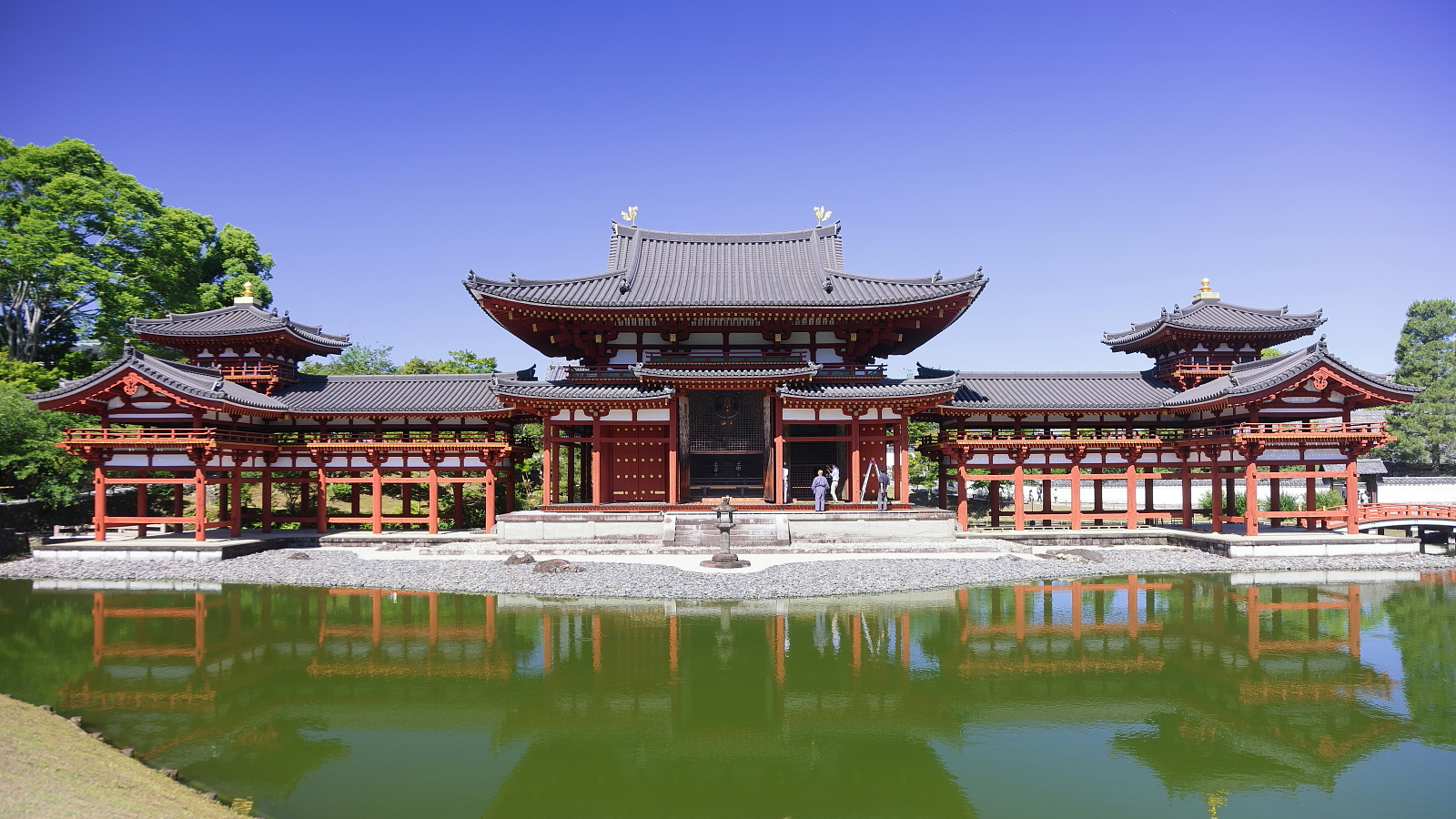
Byodoin garden vs Phoenix Hall interior: actual cost
JR Kyoto–Uji is a short train trip; Byodoin admission and inside-Phoenix-Hall timed access are different purchases. Notice for 16 October 2026 changes interior capacity.
| Option | 2026 price | What it includes | Important limits |
|---|---|---|---|
| Adult garden + Hoshokan museum | ¥700 | Outside Phoenix Hall view, gardens and museum | Not an interior visit |
| Phoenix Hall interior add-on | + ¥300 | Timed staff-led interior viewing | Japanese-language explanation; capacity limits |
| Adult total with interior | ¥1,000 | Garden, museum and the interior session | Subject to timed session being available |
| Junior/high-school basic | ¥400 | Gardens and museum | Separate interior conditions apply |
| Elementary-school basic | ¥300 | Gardens and museum | Separate interior conditions apply |
Frequently asked before visiting
Does the ¥700 basic Byodoin entry let me go inside Phoenix Hall?
No. Interior admission costs an extra ¥300 per person, purchased at the temple's reception and assigned to a session.
Is the Hall currently limited to 50 visitors per session?
Do not use the older 50-person note without reading dated announcements: summer 2026 limits continue through 15 October and the stated cap changes to 35 from 16 October.
Do I need a tour to reach Uji from Kyoto?
No. JR Nara Line trains link Kyoto Station and Uji in roughly 20–30 minutes depending on service. Allow a walk from station to temple.
Will the tea shops definitely have the matcha I want?
No. Stock varies; public visitor reports describe limits in earlier periods. Check a particular retailer's current notices rather than relying on past anecdotes.
Official operator facts and separate traveller experiences were compared. Reviews reflect individual experiences, not guaranteed current conditions. Check your exact date before paying. Byodoin: official 2026 visitor information Uji matcha stock visitor experiences (anecdotal)
Uji is not simply a matcha shopping mall
Uji south of Kyoto is a historic river town combining tea production, literature, a UNESCO-listed temple precinct and quieter riverside lanes. It is ideal for travellers who already plan to spend several days in Kyoto and want a half-day with a different rhythm than crowded central temple districts. The strongest combination is a short rail journey, Byodoin Temple and a tea stop you genuinely enjoy.
You do not have to buy a tea workshop or a guided tour to appreciate the city. Public riverside walking paths and Uji Bridge are enjoyable without paying for a package. Byodoin itself requires admission; walking the streets does not. Before a rushed afternoon excursion, decide whether the museum, the Phoenix Hall interior, a tea class or just the riverside is your priority.
From Kyoto Station to Uji on one rail line
Japan National Tourism Organization identifies JR's Nara Line from Kyoto Station to JR Uji Station as a straightforward route, taking roughly 17–30 minutes depending on service. The landmark Uji Bridge and tea shopping areas are a short walk beyond the station; Byodoin is around a 10–15-minute walk depending on exact route and pace. Check the latest JR train pattern when departing.
Travellers already staying by Keihan railway stations may prefer the Keihan Uji branch via Chushojima rather than travelling back to Kyoto Station. Keihan Uji Station and JR Uji Station are separate stops on different networks; do not book a train to the wrong Uji and assume a pass includes both operators. For a Kyoto Station base, the JR approach is simple enough for most independent travellers.
What does the basic Byodoin ¥700 admission include?
Byodoin's official visitor guide lists adult admission of ¥700 for the grounds and the Hoshokan Museum, with ¥400 for junior/high school pupils and ¥300 for elementary-school pupils. Walking around the pond gives the classic view of Phoenix Hall, a building depicted on Japan's 10-yen coin. The museum contains precious artefacts such as original rooftop phoenixes, and is not an optional afterthought if you are interested in Heian history.
You do not need the separate interior tour just to enjoy the outdoor Phoenix Hall view and museum. A basic adult visit costs ¥700, and two adults cost ¥1,400 before trains or tea. Garden hours on the official site are 08:45–17:30 (last admission 17:15); the museum is listed 09:00–17:00. Always check for ceremonies, operational notices or weather-related changes.
Phoenix Hall's interior is a second timed purchase
Entering the Phoenix Hall interior costs an additional ¥300 per person, purchased at the temple's garden reception. The tour allows a closer look at the revered Amida Buddha and is conducted with Japanese-language explanations, though some English supporting information may be available. It is different from having grounds-only admission, and the extra appointment can dominate a short itinerary.
An adult who buys both basic temple entry and the interior adds up to ¥1,000, excluding travel. Two adults doing both spend ¥2,000. This is a genuine cash comparison, not a reseller claim. The number of interior visitors is limited; purchasing garden admission does not guarantee a particular interior session. Ask about the waiting time before locking an afternoon train or a tea class.
Important 2026 capacity changes: 15 versus 16 October
The temple's own announcement says special summer measures continue through 15 October 2026: interior Phoenix Hall sessions have been reduced to 30 participants, with certain regular half-hour slots suspended due to heat-related concerns. The same operator issued a later notice that the maximum group size becomes 35 from Friday 16 October 2026, rather than the former 50 often shown in older visitor information.
Because the official general guide still lists older 50-person capacity information, the dated 2026 notices must take precedence. The operator warns of longer waits at popular times and says missed timed sessions are not rescheduled or refunded. It also reports limited re-entry privileges for holders of an interior ticket. Never present the regular timetable on an old blog as guaranteed current availability.
A memorable three- to five-hour route
Start from JR Uji, walk via tea streets to Byodoin and decide at the garden reception whether the extra interior visit is worthwhile. See the outdoor pond view and museum first. Walk toward Uji Bridge and the riverbanks, then choose a café or specialist tea shop for a matcha drink or dessert. For a calmer cultural stop, cross the river toward Ujigami Shrine and surrounding lanes.
An abbreviated plan is the station–Byodoin–tea–river route and return to Kyoto. A longer plan adds Ujigami Shrine, a tea workshop or a visit to an exhibition. JNTO lists Ujigami as an important historic landmark, and Kyoto's official guide identifies it as accessible on the far side of the Uji River. There is no need to cram Nara, Fushimi Inari and Uji into the same few hours simply because they appear on the same regional map.
Matcha demand: a real visitor concern without fake shortage statistics
Uji is famous for high-quality tea, but the experience can be a tasting, a lesson in preparation, a café break or buying a tin as a gift. Several visitors discussing Uji in a May 2025 JapanTravelTips thread reported purchase limits and difficulty finding specific matcha stock during the then-popular matcha boom. These reports reveal a practical planning risk, not proof that every shop remains sold out in October 2026.
For an overseas tea shopper, first decide whether you actually need a particular brand or simply want to enjoy local tea culture. Check stores' own notices before travelling solely to buy one product. Do not queue the whole morning for a speculative restock; a tea tasting and a temple visit can make Uji worthwhile even if a preferred product is unavailable. Buying matcha elsewhere in Kyoto may be better if your only goal is a packaged gift.
Tea workshops: make sure you book the right kind
Tea-making workshops range from demonstrations and whisking activities to deeper instruction in Japanese tea ceremony etiquette. Prices, languages, session lengths, cancellation rules, photography rules and whether matcha powder is included are provider-specific. It is misleading to imply every casual matcha café includes an authentic full tea ceremony. Compare a simple drink, a tasting flight and an instructor-led session as three different activities.
If you book a workshop, leave travel time from Uji Station and make sure it does not conflict with a Phoenix Hall interior slot. Visitors who are caffeine-sensitive should ask about serving size or choose alternatives. In Japan, being considerate in a tea room—following photo rules and keeping voice levels appropriate—matters more than taking the perfect social-media shot.
Family, climate and accessibility realities
The garden and Hoshokan Museum have more accessible areas than the historic Phoenix Hall interior, which has restricted circulation. Check accessible routes and stroller arrangements directly with Byodoin. In hot weather, children and older visitors can find waiting outside for a limited-capacity interior session tiring; the museum offers indoor shelter but may not remove the need to return at your assigned time.
Riverside paths can be pleasant, but not every shrine approach has the same surface or gradient. Confirm seasonal river activities separately; do not assume a traditional cormorant-fishing event runs year-round. In rain, Uji's museums and tea experiences may suit a half-day better than planning on extended outdoors photography.
What traveller stories can and cannot tell you
Public Japan travel discussions emphasise different priorities: one traveller might visit Uji specifically to buy premium matcha; another sees it as a short cultural and riverside excursion. Anecdotes from May 2025 describe demand spikes, queues and varying shop inventory. Those are useful prompts to verify a store's policy, but not a reliable daily stock database or a claim that the authors visited in 2026.
Our recommendation is grounded in geography and entry rules rather than a fictional first-hand review: a solo traveller who enjoys trains and museums can do Uji independently with little logistical help; a family wanting a structured tea ceremony may benefit from booking a genuine small-group lesson, but only if the inclusions and language are clear.
2026 decision checklist
Decide JR Kyoto Station versus Keihan connection; check the temple's basic ¥700 admission; add ¥300 only if Phoenix Hall interior and the wait suit your schedule; account for the 16 October 2026 capacity update; pick a tea experience or shopping plan based on current availability; and leave time to walk the riverbanks and Ujigami Shrine.
The operator's notices and JNTO access guides were reviewed on 14 October 2026. Prices, staff-led session arrangements and shop stock can change after this check. Official links below lead to the sources for direct confirmation, while any optional commercial tea booking on another site should be evaluated against the simple independent plan.
Verify with official sources
Verify admission conditions, route changes, closures, prices and eligibility with the current providers. Editorial links are references; affiliate links above are labeled separately.
Byodoin — official garden, museum and Phoenix Hall pricesByodoin — official Phoenix Hall inside-visit explanationByodoin — 2026 summer visitor-capacity measures through 15 OctoberByodoin — revised capacity starting 16 October 2026JNTO — Byodoin and train access from KyotoJNTO — Uji tea and riverside districtTraveller discussion (anecdotal) — Uji matcha shopping stock, May 2025