Miyajima really costs ¥760 for this simple visit
Illustrative adult baseline: ordinary JR ferry return ¥360, island visitor tax ¥100, shrine adult admission ¥300. Hiroshima city transport, mountain activities and meals are separate.
| Option | 2026 price | What it includes | Important limits |
|---|---|---|---|
| JR Miyajima ferry one way | ¥180 | Approx 10-minute Miyajimaguchi crossing | Separate operator from city-centre sightseeing boats |
| JR ferry return | ¥360 | Outward and back JR ferry | Tax added when entering island |
| Miyajima Visitor Tax | + ¥100 | Municipal visitor charge on island entry | Exemptions differ from ferry fare eligibility |
| Itsukushima Shrine | ¥300 | Paid wooden shrine corridor | Seasonal opening hours; high tide not guaranteed |
| Shrine + Treasure Hall | ¥500 | Operator's combined adult admission | Does not include extra ferry passage |
| Adult ferry return + tax + shrine | ¥760 | ¥360 + ¥100 + ¥300 baseline | Hiroshima rail and optional activities extra |
Frequently asked before visiting
Does the Japan Rail Pass cover Miyajima's ¥100 visitor tax?
Ferry operator describes some rail-pass eligibility for transport, but the island visitor tax is separate. Confirm exact pass coverage and collection arrangements.
Are all JR ferries equally close to the torii gate?
The operator lists selected 'Great Torii' departures from Miyajimaguchi roughly 09:10–16:10; normal crossings also take around ten minutes.
Is an overnight stay essential to see Miyajima without crowds?
No. Visitor reports conflict; the benefits of a night include flexible tides and a ryokan, but a full day visit from Hiroshima is a valid alternative.
Does high tide mean Itsukushima Shrine stays open late?
No. Shrine hours vary seasonally, independent of the tides. Itsukushima's listed closing shifts from 18:00 to 17:30 on 15 October.
Official operator facts and separate traveller experiences were compared. Reviews reflect individual experiences, not guaranteed current conditions. Check your exact date before paying. JR West Miyajima Ferry — adult fare and visitor tax Travellers debate Miyajima overnight stays
Start with one mistake to avoid: two ferries, two different journeys
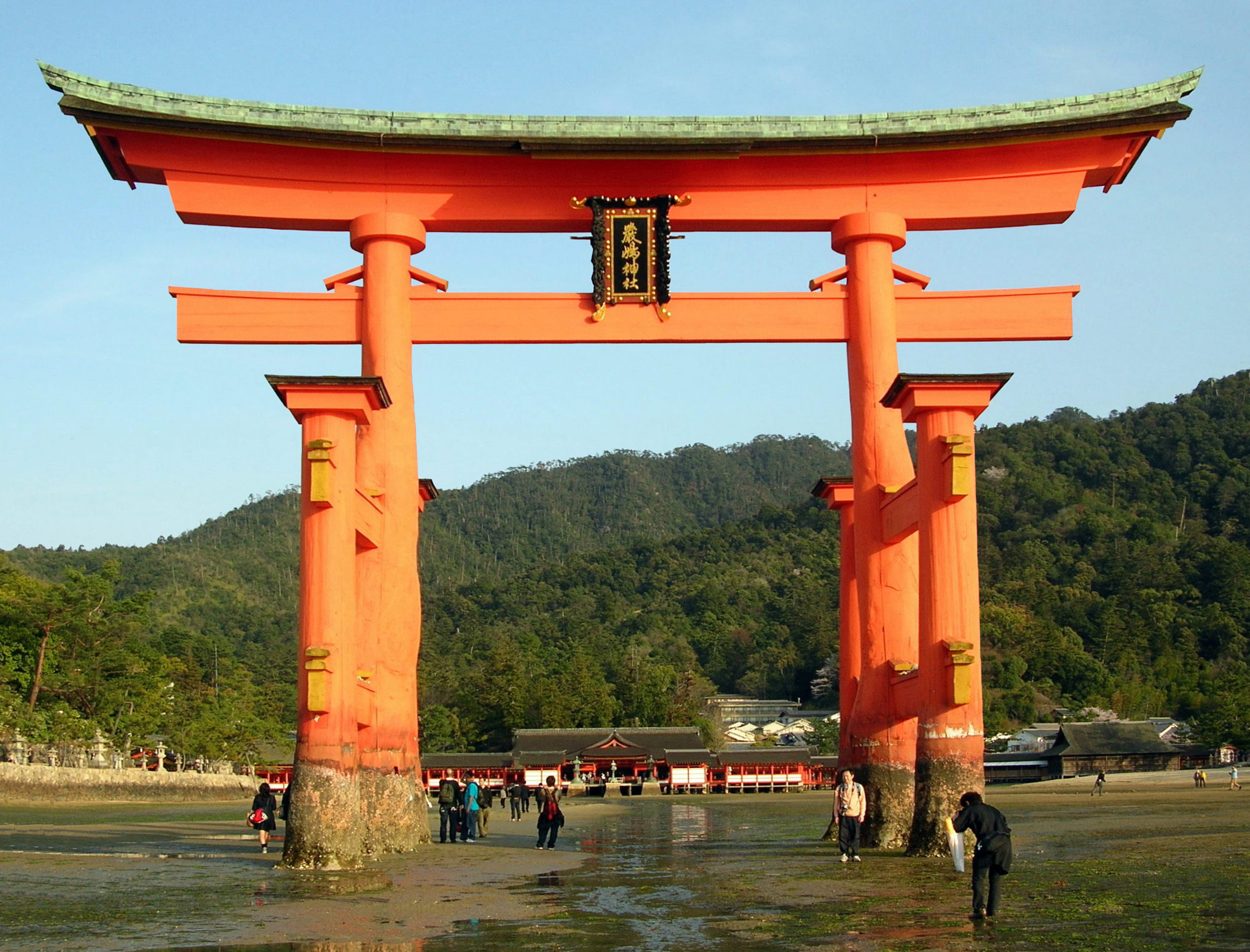
Miyajima is a wooded island off Hiroshima Prefecture best known for Itsukushima Shrine and the great torii standing in tidal water. Several boat services advertise Hiroshima–Miyajima routes, but the ordinary frequent crossing from Miyajimaguchi on the mainland is not identical to a tourist boat departing from the Peace Memorial Park in central Hiroshima. Compare the departure point and fare before deciding you need a pricey cruise.
For the mainstream route, take local rail or tram from Hiroshima toward Miyajimaguchi and walk to the short-island ferry terminals. The JR West-operated ferry takes about ten minutes and has a published timetable with repeated daytime departures. This simple route helps independent travellers avoid treating the island as accessible only by a commercial guided tour.
Official JR ferry ¥180 and Miyajima visitor tax ¥100
JR West Miyajima Ferry's published adult standard fare is ¥180 one way, ¥360 round trip, and child fares are ¥90 one way for the operator's eligible age band. A separate Miyajima Visitor Tax of ¥100 applies when entering the island, subject to legally specified exemptions. The tax is not another 'optional sightseeing fee' and is not necessarily bundled with an external rail or group booking.
For a normal adult returning on the same JR ferry, the baseline is ¥460 for ¥360 transport plus one ¥100 island-entry tax, before reaching Miyajimaguchi from Hiroshima. Two adults on the same arrangement pay ¥920 total. IC cards are accepted, and the operator lists Japan Rail Pass/JR-WEST Rail Pass compatibility for ferry passage, but passholders should still verify how the visitor tax is collected and which passes are actually eligible.
The shrine has its own paid ticket
The Itsukushima Shrine official site lists adult admission of ¥300, high-school students ¥200 and elementary/junior-high pupils ¥100. The shrine's Treasure Hall is a different admission, with an adult combined shrine-plus-hall ticket listed at ¥500. A photo of the red torii from the public shoreline is not the same as entering the wooden corridor of the shrine and can be enjoyed without paying the shrine ticket.
A budget-minded adult who takes the ordinary JR ferry round trip, pays the island entry tax and enters the shrine would therefore spend a baseline ¥760 (¥360 + ¥100 + ¥300) before transport from Hiroshima, meals or other temples. This is not a package promise: another ferry operator or a direct city-centre boat can charge differently.
Tides change the picture, not necessarily the ticket
At high tide, the iconic torii can appear to float amid the sea water; at low tide, the shoreline around it may be exposed. Both are interesting but different experiences, and tide timing varies by day rather than by a universal morning schedule. Check local tide predictions for Miyajima and avoid insisting that sunset and high tide will always coincide.
The wooden shrine corridor also sits over tidal terrain; the operator warns of small spaces between the floorboards and recommends comfortable footwear rather than high heels. Do not encourage visitors to climb into unsafe shore areas or interfere with sacred spaces for a photograph. Treat the shrine as an active religious site, follow posted instructions and respect ceremonies.
Which JR ferry sailing gives the torii-water view?
JR West advertises its 'Great Torii' route on selected departures from Miyajimaguchi between approximately 09:10 and 16:10, taking the ship closer to the torii viewpoint. Both that route and the regular crossing take about ten minutes. Choose a suitable departure if the sea-facing perspective is important and check the operator's current timetable rather than assuming every midnight ferry approaches the monument.
You do not need to buy an expensive private excursion solely to have a chance to photograph the torii from a ferry. A normal JR ferry can give a view as part of ordinary service within the published daytime window. Weather, boat assignments and route adjustments are operational details, not promises of perfect photos.
From Hiroshima city: a practical half-day
From Hiroshima Station, travel toward JR Miyajimaguchi, transfer to the ferry and arrive on the island for the shrine precinct and a relaxed walk along the waterfront shopping streets. A visitor interested chiefly in the shrine, a meal and quiet coastal views can spend roughly half a day without climbing a mountain. Saving the afternoon for Hiroshima's city museums is possible but may feel rushed if you add long queues or a full sacred-site visit.
The Peace Memorial Museum and island shrine deserve different types of attention, especially if cultural history is a priority. Some travellers choose separate days or stay a night in Hiroshima rather than compressing both into an already long Osaka round trip. Rail connections to Shin-Osaka or Kyoto should be priced independently, not confused with the ¥180 local ferry.
Mount Misen adds a completely different time budget
Miyajima has forest paths, temples and the Mount Misen area beyond the immediate shrine/torii corridor. Hiking or using the ropeway requires extra time, a separate ticket where applicable and checking operational/wildlife/weather rules. Do not label a three-hour island stop 'the complete Miyajima experience' for someone who wants a mountain walk.
For a full outdoor day, make Mount Misen or another inland destination the core activity rather than squeezing it after a late-arriving Peace Museum visit. Poor weather can make steep sections slippery, while summer heat adds stress for families. The island's public paths are not substitutes for checking any temporary ropeway maintenance notice.
Day trip or one-night ryokan: genuinely different opinions
In October 2025 and May/June 2026 JapanTravelTips threads, travellers sharply disagreed over whether Miyajima warrants an overnight stay. Some enjoyed an early ferry and felt that a day visit sufficed; others valued the shrine and waterfront after the busiest excursions departed. One visitor warned that late ferries and on-island guests meant their chosen night was not totally crowd-free.
The useful editorial conclusion is not 'everyone must stay overnight'. Overnight visitors gain flexibility around tidal timing and an island ryokan, but may pay more and find evening restaurant choices limited. Day-trippers keep their bags in Hiroshima and can spend more on experiences rather than moving hotels. Check a hotel's meal plan and ferry timetable before interpreting an online promise of solitude.
Cultural etiquette and animal welfare matter
Itsukushima is a Shinto shrine with active religious practices, and the island has free-roaming deer. Avoid touching or feeding animals unless local rules explicitly permit it, and do not leave packaging or paper where deer might eat it. Behaviour that looks harmless in a tourist video may be disruptive to local residents and the wildlife.
The shrine's opening hours vary by season: the official calendar lists closing at 18:00 through 14 October and 17:30 from 15 October through 30 November, with an earlier winter schedule. If you book a late ferry to match a sunset, do not assume the shrine itself remains open for an interior visit until nightfall.
Family tickets, weather, and people with limited mobility
The JR ferry has distinct child and preschool exemptions, and the Miyajima Visitor Tax has separate rules including preschool exemption. A family fare calculation must apply transport, shrine and tax eligibility independently. Do not multiply the adult baseline by every child without reviewing the operator's terms. The JR ferry accepts IC cards, which makes boarding simpler for many local and international visitors.
The shrine's wooden walkways, island slopes and busy piers can challenge some mobility needs. Ask ferry and shrine staff about boarding/accessible entry, particularly when travelling with a stroller or wheelchair. Rain and storms can affect offshore services or mountain activities; verify live timetables on departure day and avoid catching a critical flight with only a single ferry-to-train connection as buffer.
A 2026 booking checklist that avoids unnecessary spending
1) Choose ordinary JR Miyajimaguchi ferry versus separate Hiroshima Peace Park boat; 2) account for ¥180 one-way rail-ferry fare, ¥100 entry tax, optional ¥300 adult shrine access and the combined Treasure Hall ticket; 3) time high/low tide separately from opening hours; 4) inspect 09:10–16:10 torii-view departures if desired; 5) decide if Mount Misen and an overnight stay are truly worth the time and cost.
These facts were checked on 14 October 2026 from the JR ferry operator, Itsukushima Shrine and actual public visitor accounts. Ferry traffic, price categories, pass eligibility and the shrine calendar may change by date. This is independent editorial analysis; no fictional personal visit or guaranteed live ferry seat is claimed.
Verify with official sources
Verify admission conditions, route changes, closures, prices and eligibility with the current providers. Editorial links are references; affiliate links above are labeled separately.
JR West Miyajima Ferry — official adult/child ticket and visitor-tax rulesJR West Miyajima Ferry — 2026 regular timetable and evening sailingsJR West Miyajima Ferry — Great Torii 09:10–16:10 sightseeing routeItsukushima Shrine — official 2026 season opening hours and admissionRecent visitor account — Miyajima highlights, December 2025Contrasting overnight and day-trip opinions, October 2025Budget-conscious Kyoto–Miyajima traveller discussion, October 2026