Decide between historic Nikko and the mountain lake
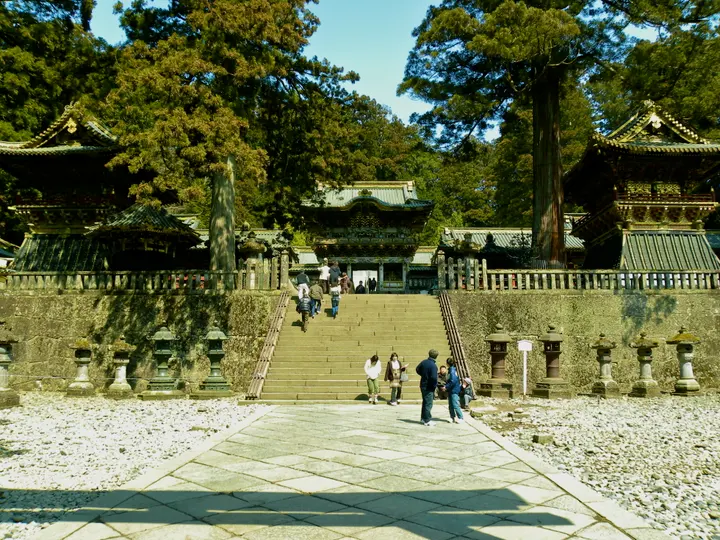
Nikko is not one compact attraction. The ornate Toshogu shrine, Rinnoji temple, Futarasan Shrine and Shinkyo Bridge cluster around the historic area near central Nikko. Lake Chuzenji and Kegon Falls sit much farther uphill beyond the Irohazaka bends. Trying to fit both into one Tokyo day is possible, but it changes your schedule from a leisurely shrine walk into a transportation-heavy outing.
For most first-time visitors with one day, choose the World Heritage precinct and one or two temples; add the lake only if you start early and are comfortable with a long day. A night around Nikko or Chuzenji lets you explore waterfalls and forest paths without betting your return train on mountain-road traffic.
Tokyo to Nikko by Tobu: where to start and how tickets work
Tobu trains leave from Asakusa and connect to Tobu-Nikko, close to the JR Nikko station. A reserved limited express such as SPACIA X is the simpler fast option for many travelers, taking roughly two hours from Asakusa. Other Tobu trains cost less but may take longer and require a change at Shimo-Imaichi. If your hotel is around Shinjuku or Tokyo Station, allow time to reach the correct departure station.
A critical cost trap: a NIKKO PASS covers the eligible basic Tobu fare, but the limited-express surcharge and any premium seating fees are separate. Reserve the right date and train in addition to the pass, and do not assume a JR ticket is interchangeable with a Tobu ticket. Confirm the station, departure board and fare rules directly with Tobu before travel.
World Heritage Pass or All Area Pass?
Tobu currently lists the NIKKO PASS World Heritage Area at ¥3,000 per adult for two consecutive days and NIKKO PASS All Area at ¥8,000 per adult for four days. The first is intended for shrines and the central sightseeing area; the All Area adds a much wider local transportation zone including Lake Chuzenji and Okunikko. The correct comparison is total rail and bus fares, not the pass title alone.
Both passes exclude shrine admission and limited-express supplements, and have eligibility rules for international visitors. An overnight traveler going uphill several times may benefit more from All Area than someone spending one day around Toshogu. Prices and coverage are time-sensitive: follow Tobu's live pass map and restrictions rather than an old blog's fare screenshot.
From the station to Shinkyo and Toshogu
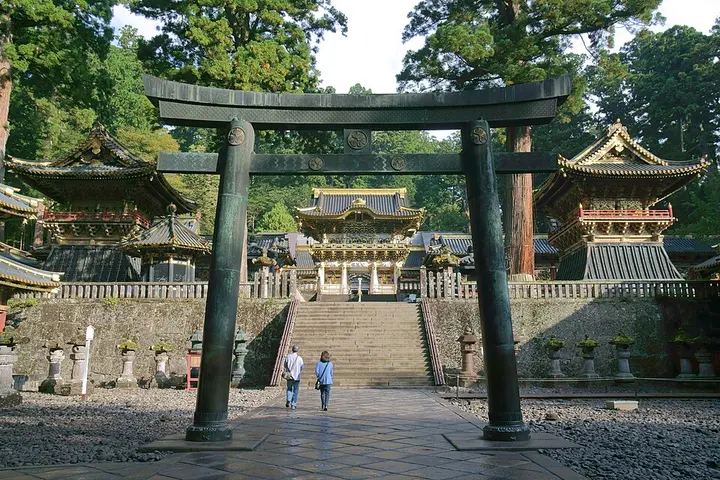
After arrival at Tobu-Nikko, the historic shrines are roughly 2 km uphill from the stations. Walking up the town's main street can take around 30–40 minutes, or use a Tobu bus toward Shinkyo or the World Heritage sightseeing circuit. The bridge is a photogenic first stop, but crossing it may involve a separate admission; a view from the roadside does not require the same ticket.
Inside the heritage precinct, prioritize Toshogu's elaborate gateways and carving details, then choose Rinnoji or Futarasan Shrine according to your interests. The group of sites occupies a forested slope with steps and uneven surfaces. Families and travelers with limited mobility should plan a shorter museum-and-shrine loop instead of rushing across every temple.
How to add Kegon Falls and Lake Chuzenji
Local Tobu buses run between Nikko stations and Chuzenji Onsen, the gateway to Lake Chuzenji and Kegon Falls. In normal conditions the bus ride is around 50 minutes one way, before you count waiting, sightseeing and the return trip. A bus pass can be sensible for multiple journeys in the lake zone; check whether your Nikko Pass already covers this segment before buying anything extra.
Kegon Falls has viewpoints at different levels, with the lift to the lower observation area normally separately ticketed. The lake shore is attractive for an unhurried stroll or seasonal cruise, but optional experiences add time. If you have less than a full day in Nikko itself, choose one mountain stop, not every waterfall and hiking route on a map.
A realistic one-day schedule from Tokyo
Example shrine-focused day: leave Tokyo around 07:00–08:00, reach Nikko late morning, visit Shinkyo and Toshogu before lunch, enjoy yuba (tofu-skin) dishes in town, then select one additional temple or garden before an afternoon train home. This allows more time to appreciate the architecture and avoids racing the last bus from Lake Chuzenji.
Example extended day: travel on an early reserved train, start with Toshogu, eat promptly, board the bus uphill for Kegon Falls and a brief lake view, then return downhill with a substantial time buffer. Published train and bus schedules—not these illustrative hours—must control the final plan. Add extra buffers in October and on weekends when Irohazaka traffic is often severe.
When a Tokyo coach tour makes financial sense
An organized day tour can remove the Asakusa connection, local bus decisions and stressful uphill transfer. A GetYourGuide listing from Tokyo visits Shinkyo Bridge, Toshogu, Kegon Falls and Lake Chuzenji in a roughly 10.5-hour format. Its posted stops and meeting locations are a planning reference, not a guarantee that each stop happens or that shrine tickets are included.
Compare the total per-person price against round-trip Tobu fares, limited-express supplements, buses and admission—not against the train fare alone. Group tours involve shared schedules and limited free time. Independent travel better suits photographers, repeat visitors and anyone who wants hours among the shrines rather than a short photo stop.
Autumn, winter and family travel pitfalls
Nikko's higher elevations color earlier than the heritage town, so a single autumn-leaves forecast for 'Nikko' can mislead. October mountain traffic may significantly exceed published travel times; avoid anchoring a nonrefundable evening Tokyo activity too closely to your estimated arrival. In winter, lake-area conditions, daylight and sightseeing transport can differ from city-center expectations.
For children, the World Heritage area is manageable if you budget for walking and steps; the combined lake route can exhaust younger travelers. Bring shoes with grip, some cash, and layers for cooler mountain weather. Check accessibility information for stairs, the Kegon lift and tour vehicles before buying a product advertised as family-friendly.
Final checklist and honest booking choice
Check Tobu's latest pass map, whether a limited-express supplement is required, the return train reservation, and the bus to and from Chuzenji Onsen. Separately confirm current admission fees, the Kegon observation lift and any closures. If weather is poor or buses are backed up, dropping the lake is a sensible decision rather than a failed trip.
Choose DIY for a focused cultural day with flexible meals and deeper site visits. Choose a coached excursion when seeing both shrines and mountain scenery in a single day is worth the reduced freedom. Any linked booking product is an optional affiliate listing; we do not handle payment or guarantee that a supplier's availability or route remains unchanged.
Verify with official sources
Verify admission conditions, route changes, closures, prices and eligibility with the current providers. Editorial links are references; affiliate links above are labeled separately.
Tobu Railway — Nikko passes, coverage and pricesTobu Railway — Limited express ticket rulesNikko Official Guide — Transport and pass informationJapan Guide — Nikko transport and local buses