Hakone is a circuit of transport connections, not one town
Hakone is a mountain region west of Tokyo with hot spring towns, volcanic scenery, museums and Lake Ashi. Travelers often picture a single lake, but the classic sightseeing loop combines a railway, mountain cable car, ropeway, sightseeing ship and local bus. The transport itself is part of the experience, which is why seemingly simple itineraries need careful connection planning.
Choose one focus before buying tickets: a one-day transport loop, a slower onsen-and-museum overnight stay or a tour featuring both Hakone and Mount Fuji. Fuji visibility depends on weather, so no sensible booking should promise a clear mountain view. Two days are more forgiving if you care about museums, hot springs and meals as well as the scenery.
Getting from Shinjuku to Hakone-Yumoto
Odakyu services from Shinjuku connect Tokyo to Odawara and Hakone-Yumoto. Depending on the train and departure, you may connect at Odawara or ride a direct Romancecar service. The Romancecar is a reserved limited-express train and requires a surcharge in addition to the basic fare or Hakone Freepass entitlement. Travelers arriving from Osaka or Kyoto may instead reach Odawara by Shinkansen and purchase transport within Hakone separately.
Keep your actual start point in mind. A pass bought from Shinjuku includes a different journey from the pass starting at Odawara. Check the latest timetable and whether your chosen Romancecar stops at Hakone-Yumoto, and factor the transfer from your accommodation into the morning.
Hakone Freepass prices and what it really includes
As listed on the operator's official tariff after the October 2025 revision, the adult Hakone Freepass is ¥7,100 for two days or ¥7,500 for three days from Shinjuku; an Odawara-area start costs ¥6,000 or ¥6,400. The pass can cover a basic round trip on specified Odakyu sections and unlimited use of designated local transport, including Hakone Tozan railway, cable car, ropeway, selected buses and sightseeing cruise.
It is not an all-inclusive attraction ticket. Romancecar supplements, museum admissions and transport outside specified zones may cost extra; the Izu-Hakone bus is not included. Some facilities offer discounts, but a discount is not free admission. The pass is often attractive for a full loop, but for a traveler visiting only a single museum or onsen, compare individual fares first.
The classic clockwise sightseeing loop step by step
Start at Hakone-Yumoto and use the mountain railway to Gora. From Gora, transfer to the cable car for Sounzan. The Hakone Ropeway then climbs to Owakudani and continues toward Togendai at Lake Ashi. From Togendai, board the Hakone Sightseeing Cruise to the southern shore, often Motohakone-ko or Hakonemachi-ko. Return toward Hakone-Yumoto by an eligible local bus.
This is an illustrative direction, not a promise that every service will operate in sequence. The reverse loop can work equally well depending on weather and queues. Save the route map and specific stops on your phone; when you arrive at each transfer, check the next departure before spending all your time shopping or taking photos.
Owakudani: volcanic steam, eggs and safety
At Owakudani, visitors can see steam vents, dramatic volcanic terrain and sometimes Mount Fuji. The ropeway is an experience in itself, especially around the steep section from Sounzan and on the descent toward Lake Ashi. Budget time for the observation area, but avoid scheduling tight onward connections based on a photograph's implied ease of access.
Volcanic gas advisories, strong wind and maintenance can affect ropeway operations; some pathways may be restricted. Check official transport alerts and follow local safety signs. If your group includes people particularly sensitive to volcanic gases or unable to use the ropeway, plan a bus-based alternative rather than assuming an active volcanic site is suitable for everyone.
Lake Ashi, shrine stops and the museum trade-off
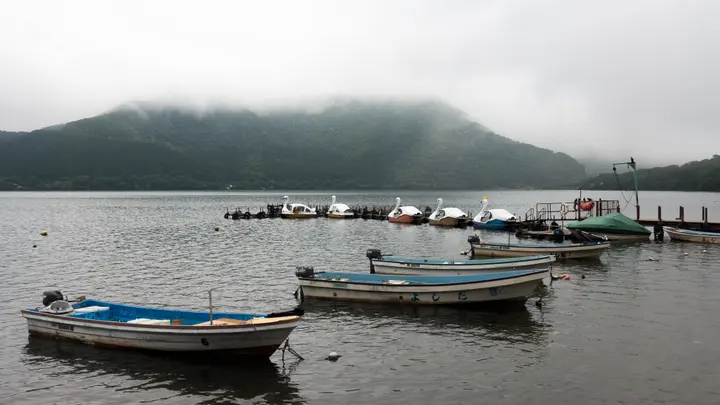
The sightseeing ship links Togendai with ports on the lake's southern side and offers views of the mountain setting. Some travelers then walk toward Hakone Shrine, famous for its lakeside torii, while others focus on the Hakone Checkpoint area. Pier choice matters because 'Lake Ashi' is not one universal drop-off point. Allow walking time and check onward bus routes for the specific pier.
An alternate itinerary skips the full loop to spend more time at the Hakone Open-Air Museum near the Tozan railway. Families who prefer interactive art and less queueing may enjoy this more than racing from transport to transport. Museum tickets are separate, and weather conditions can change which route is most appealing.
An achievable one-day itinerary and a better overnight version
For a Tokyo day trip, leave Shinjuku early, connect through Hakone-Yumoto to Gora and reach Owakudani before mid-afternoon; then follow the ropeway toward Togendai, take the cruise if operating and return by bus. Allow generous margins for station changes and lunch. Check the day-of operating status before leaving Tokyo: the ropeway and cruise may suspend service even when the trains run.
On a two-day visit, use the first day for the loop and a ryokan or onsen evening; reserve the second for the Open-Air Museum, a forest walk or lakeshore exploration. Families with small children, people with limited mobility and travelers carrying suitcases benefit from leaving luggage at accommodation rather than attempting all sections with bags.
DIY pass or organized tour: compare like with like
The independent Freepass route puts you in charge of pace, meals and whether you skip the boat or museum. A guided Tokyo departure can be easier when you want transport arranged and hope to combine Fuji viewpoints, Lake Ashi and Owakudani in limited time. A GetYourGuide Tokyo–Hakone tour listing advertises Owakudani and a Lake Ashi cruise, but the exact inclusions, pickup and scenic stops depend on the option.
Do not compare an organized Mount Fuji plus Hakone coach itinerary with the ordinary Hakone loop as if they cover the same places. Verify boat and ropeway fees, bus or hotel pickup, child ages, return location and cancellation terms. If you want most of your day inside Hakone rather than on a coach, the local pass and overnight plan are generally more flexible.
Bad-weather contingency and booking checklist
Before travel, inspect the official Hakone transport status page for ropeway and ship operations and the current pass zone map. If the ropeway closes, consider rail-and-bus access to your chosen area or devote the day to Gora and a museum. If the sightseeing ship cannot sail, do not count on reaching your return bus stop via water. Have an alternate path saved.
Confirm Freepass origin and duration, train choice, Romancecar surcharge, your start and finish stations and whether your tour itinerary actually includes the experience pictured. For a one-day visit, keeping optional stops optional is better than racing to complete a marketed 'golden route' that conditions may not allow.
Verify with official sources
Verify admission conditions, route changes, closures, prices and eligibility with the current providers. Editorial links are references; affiliate links above are labeled separately.
Hakone Navi — Hakone Freepass official terms and faresOdakyu — Hakone Freepass fare informationHakone Navi — Route and transit connectionsHakone Navi — Live transport operational information